How Stress Hormones Reduce Natural Skin Glow
Your skin reveals more about your stress levels than you might realize. When stress strikes, your body releases powerful hormones that affect every organ, including your skin. These chemical messengers can transform radiant, glowing skin into dull, tired-looking complexion. Understanding this connection helps you protect your skin’s natural beauty.
The Science Behind Stress Hormones
Stress triggers your body’s survival response. This ancient mechanism helped our ancestors escape danger. Today, however, our bodies react to work deadlines and traffic jams the same way they would respond to physical threats.
When you experience stress, your adrenal glands release cortisol. This primary stress hormone prepares your body for action. Additionally, your body produces adrenaline and other chemicals. These hormones increase heart rate, redirect blood flow, and change how your organs function.
Your skin suffers during this chemical cascade. The body prioritizes vital organs during stress. Therefore, skin receives less blood flow and fewer nutrients. This protective mechanism makes sense for short-term survival but creates problems with chronic stress.
How Cortisol Damages Your Skin
Cortisol affects your skin through multiple pathways. First, elevated cortisol breaks down collagen. This essential protein keeps skin firm, plump, and youthful. When cortisol levels stay high, collagen breakdown accelerates faster than your body can replace it.
Consequently, your skin loses elasticity and develops fine lines. The smooth, bouncy texture disappears. Instead, skin becomes thinner and more fragile. These changes happen gradually but become noticeable over time.
Furthermore, cortisol increases oil production in your skin. Your sebaceous glands go into overdrive. This excess oil clogs pores and creates the perfect environment for acne bacteria. According to Harvard Health, chronic stress significantly worsens inflammatory skin conditions.
High cortisol also impairs your skin’s barrier function. This protective layer keeps moisture in and irritants out. When damaged, your skin loses water rapidly. Dehydration makes skin look dull and lifeless. Moreover, a weakened barrier allows allergens and bacteria to penetrate more easily.
Reduced Blood Flow and Oxygen Delivery
Stress hormones redirect blood away from your skin toward your muscles and vital organs. This shift prepares you for physical action. However, your skin needs consistent blood flow to maintain its healthy glow.
Blood carries oxygen and nutrients to skin cells. These elements fuel cellular metabolism and repair processes. Without adequate supply, skin cells cannot function optimally. They produce less energy and perform fewer repair activities.
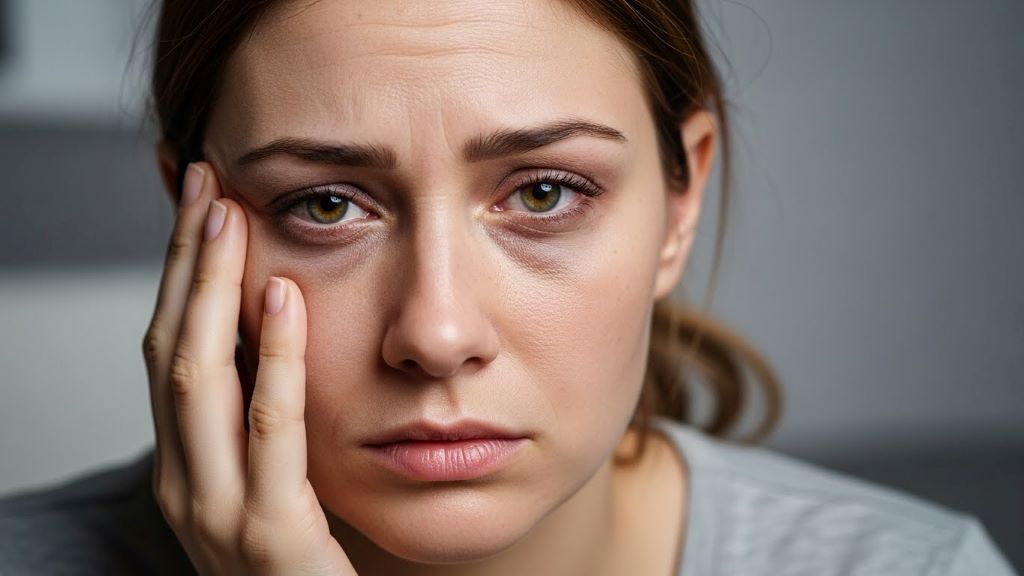
The result becomes visible quickly. Your complexion loses its rosy undertones. Skin appears pale, gray, or ashen. Dark circles under your eyes become more pronounced. Additionally, healing slows down significantly.
This reduced circulation affects skin renewal as well. Your skin constantly sheds old cells and produces new ones. This turnover process requires substantial energy and nutrients. When blood flow decreases, cell turnover slows. Dead skin cells accumulate on the surface, creating a dull, rough texture.
Inflammation and Skin Sensitivity
Stress hormones trigger widespread inflammation throughout your body. This immune response affects your skin dramatically. Inflammatory chemicals called cytokines flood your system. These molecules activate inflammatory pathways in skin cells.
Inflammation breaks down the proteins that give skin its structure. Elastin and collagen fibers suffer damage. Meanwhile, inflammation generates free radicals. These unstable molecules attack healthy cells and accelerate aging.
Your skin becomes more reactive under stress. Previously tolerated products might suddenly cause irritation. Redness, itching, and sensitivity increase. Existing skin conditions like eczema, psoriasis, and rosacea often flare up during stressful periods.
The inflammatory response also affects wound healing. Cuts, blemishes, and other injuries take longer to resolve. Post-inflammatory hyperpigmentation becomes more likely. Therefore, stress can leave lasting marks on your complexion.
Sleep Disruption and Skin Repair
Stress hormones interfere with your natural sleep cycle. Elevated cortisol at night prevents deep, restorative sleep. This disruption has profound effects on your skin’s appearance.
Your skin performs most of its repair work during sleep. Cell division peaks at night. Growth hormone production increases. These processes rebuild damaged tissues and create new, healthy cells.
Without adequate sleep, these repair mechanisms cannot complete their work. Skin cells accumulate damage faster than they can fix it. Consequently, signs of aging accelerate. Fine lines deepen and skin loses its youthful resilience.
Sleep deprivation also affects fluid balance. Poor sleep causes fluid retention under your eyes. This creates puffy, swollen appearance. Meanwhile, overall skin hydration decreases. The combination leaves you looking tired and aged.
According to WebMD, getting quality sleep is essential for maintaining healthy, glowing skin. Sleep allows your skin to recover from daily environmental damage and stress.
Impact on Skin Hydration
Stress hormones disrupt your skin’s water balance. High cortisol levels increase water loss through the skin. Your epidermis cannot hold moisture effectively. This process called transepidermal water loss accelerates dramatically.
Dehydrated skin looks dull and feels rough. Fine lines become more visible. Your complexion loses its luminous quality. Even oily skin types experience dehydration under chronic stress.
Additionally, stress affects your drinking habits. Many people forget to drink water when busy or anxious. Others reach for dehydrating beverages like coffee. This compounds the problem significantly.
The skin barrier weakens as hydration decreases. This creates a vicious cycle. A damaged barrier loses more water, which further damages the barrier. Breaking this cycle requires deliberate effort and stress management.
Accelerated Aging Process
Chronic stress literally ages your skin faster. Research shows that persistent stress shortens telomeres. These protective caps on DNA chromosomes determine cellular aging. Shorter telomeres mean older cells.
Stress-induced oxidative damage accelerates this process. Free radicals attack cellular components. DNA mutations accumulate. Cells lose their ability to function properly. Eventually, they enter senescence or die.
Your skin shows these changes through multiple signs. Wrinkles appear earlier and deepen faster. Skin texture becomes uneven and rough. Pigmentation irregularities develop. Overall, your complexion loses its youthful vitality.
Furthermore, stress affects hormone balance beyond cortisol. Chronic stress can disrupt estrogen and testosterone levels. These hormones play crucial roles in maintaining skin thickness, moisture, and elasticity. Imbalances accelerate visible aging.
Behavioral Changes That Harm Skin
Stress influences your behavior in ways that damage your skin. Many people touch their face more when anxious. This transfers bacteria and oils from hands to skin. Breakouts increase as a result.
Stress also affects dietary choices. Comfort eating often involves sugar, processed foods, and unhealthy fats. These foods promote inflammation and insulin spikes. Both processes damage your skin from the inside.
Similarly, stressed individuals may neglect their skincare routine. Exhaustion leads to skipping cleansing or moisturizing. Makeup stays on overnight. These lapses allow dirt, oil, and pollutants to damage skin.
Some people develop stress-related habits like picking at their skin. This creates wounds, scarring, and infection risks. Others grind their teeth, which affects facial structure and contributes to wrinkles.
Gut Health Connection
Stress hormones disrupt your digestive system. The gut-skin axis links these two systems intimately. When your gut health suffers, your skin reflects the damage.
Stress alters gut bacteria balance. Beneficial bacteria decrease while harmful ones proliferate. This imbalance called dysbiosis affects nutrient absorption. Your skin receives fewer vitamins, minerals, and antioxidants.
Moreover, gut inflammation triggered by stress increases overall body inflammation. This systemic inflammation shows up in your complexion. Acne, rosacea, and eczema often worsen when gut health declines.
The gut produces neurotransmitters that affect skin function. Serotonin, for instance, influences skin barrier formation. Stress-induced gut changes reduce these beneficial compounds. Consequently, skin health deteriorates from multiple angles.
Strategies to Protect Your Skin Glow
Managing stress protects your skin from hormone-related damage. Regular exercise reduces cortisol levels naturally. Physical activity also improves circulation, delivering nutrients to your skin. Aim for at least 30 minutes of moderate activity daily.
Meditation and deep breathing calm your stress response. These practices lower cortisol production. Even five minutes of mindful breathing makes a difference. Therefore, incorporate these techniques into your daily routine.
Prioritize sleep quality and duration. Establish a consistent sleep schedule. Create a relaxing bedtime routine. Keep your bedroom cool and dark. These steps support your skin’s natural repair processes.
Maintain a nutrient-rich diet. Include plenty of antioxidants from colorful fruits and vegetables. Omega-3 fatty acids from fish reduce inflammation. Adequate protein supports collagen production. Stay well-hydrated throughout the day.
Develop a consistent skincare routine. Use gentle, nourishing products appropriate for your skin type. Include antioxidant serums to combat stress-induced oxidative damage. Apply moisturizer to support your skin barrier. Never skip sunscreen, as stressed skin is more vulnerable to UV damage.
Professional Treatments and Support
Sometimes, lifestyle changes alone cannot fully address stress-related skin concerns. Professional treatments can help restore your natural glow. Consult a dermatologist for personalized recommendations.
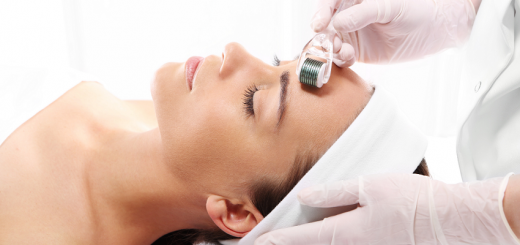
Facial treatments boost circulation and provide deep hydration. Chemical peels remove damaged surface cells. Laser treatments stimulate collagen production. These procedures complement your stress management efforts.
Additionally, working with a mental health professional helps address chronic stress. Therapy provides tools for managing anxiety and pressure. When you reduce stress at its source, your skin benefits naturally.
Some people benefit from stress-reducing supplements. Adaptogenic herbs like ashwagandha may lower cortisol levels. Always consult healthcare providers before starting new supplements. They can interact with medications or have contraindications.
Conclusion
Stress hormones profoundly impact your skin’s natural glow through multiple pathways. Cortisol breaks down collagen, increases oil production, and weakens your skin barrier. Reduced blood flow starves skin cells of essential nutrients and oxygen. Inflammation damages structural proteins and accelerates aging. Sleep disruption prevents crucial repair processes. These effects combine to transform radiant skin into a dull, tired complexion. However, understanding this connection empowers you to take action. By managing stress through exercise, meditation, quality sleep, and proper nutrition, you protect your skin from hormonal damage. Consistent skincare routines and professional support further safeguard your natural glow. Remember that stress management is not just about mental health but also about preserving your skin’s beauty and vitality for years to come.
Frequently Asked Questions
How long does it take for stress to affect my skin’s appearance?
Stress can affect your skin within days to weeks depending on stress intensity and duration. Acute stress might cause temporary dullness or breakouts within 24 to 48 hours. Chronic stress produces cumulative damage over weeks and months, including accelerated aging and persistent skin issues.
Can reducing stress reverse skin damage caused by cortisol?
Yes, reducing stress can significantly improve your skin’s condition. When cortisol levels normalize, inflammation decreases and collagen production improves. However, some damage like deep wrinkles may require additional treatments. The sooner you address stress, the more reversible the effects become.
Does everyone’s skin react the same way to stress hormones?
No, individual responses vary based on genetics, age, skin type, and overall health. Some people develop acne under stress while others experience dryness or sensitivity. Your unique physiology determines how stress hormones manifest in your skin’s appearance.
What foods help counteract stress hormone effects on skin?
Foods rich in antioxidants, omega-3 fatty acids, and vitamins support skin health during stress. Include berries, fatty fish, nuts, leafy greens, and colorful vegetables. These nutrients combat inflammation and oxidative damage. Additionally, staying hydrated helps maintain your skin barrier function.
Are there specific skincare ingredients that help stressed skin?
Yes, certain ingredients specifically benefit stressed skin. Niacinamide strengthens the skin barrier and reduces inflammation. Antioxidants like vitamin C combat free radical damage. Hyaluronic acid provides deep hydration. Peptides support collagen production. Gentle, barrier-repairing ingredients work best for stress-compromised skin.
Related Topics: