Why People in Chicago, IL Experience Slow Results From Incorrect Lower-Body Training Intensity
Many fitness enthusiasts in Chicago struggle to see progress even after months of lower-body workouts. Research from the American Council on Exercise shows that training intensity directly affects muscle growth and fat loss. In many cases, people unknowingly train too lightly or too aggressively without proper recovery. As a result, their progress slows and motivation drops quickly. Understanding proper intensity matters just as much as choosing the right exercises. Additionally, many gym users overlook factors like leg press machine weight progression, which plays a major role in balanced lower-body development.
Chicago residents face unique fitness challenges because of long winters, sedentary office jobs, and inconsistent training schedules. Cold temperatures often reduce outdoor movement and flexibility during several months of the year. Furthermore, many people rush through workouts to fit them into busy city lifestyles. This creates poor exercise intensity habits that prevent real lower-body strength gains. Learning how training intensity works can help Chicago gym-goers improve results faster and avoid unnecessary plateaus.
Understanding Lower-Body Training Intensity
Training intensity refers to how hard your muscles work during exercise. Many people confuse intensity with simply lifting heavy weights every session. However, effective intensity depends on proper resistance, controlled movement, and recovery balance. When intensity stays too low, muscles receive little stimulus for growth or endurance improvements. On the other hand, excessive intensity creates fatigue that reduces performance over time.
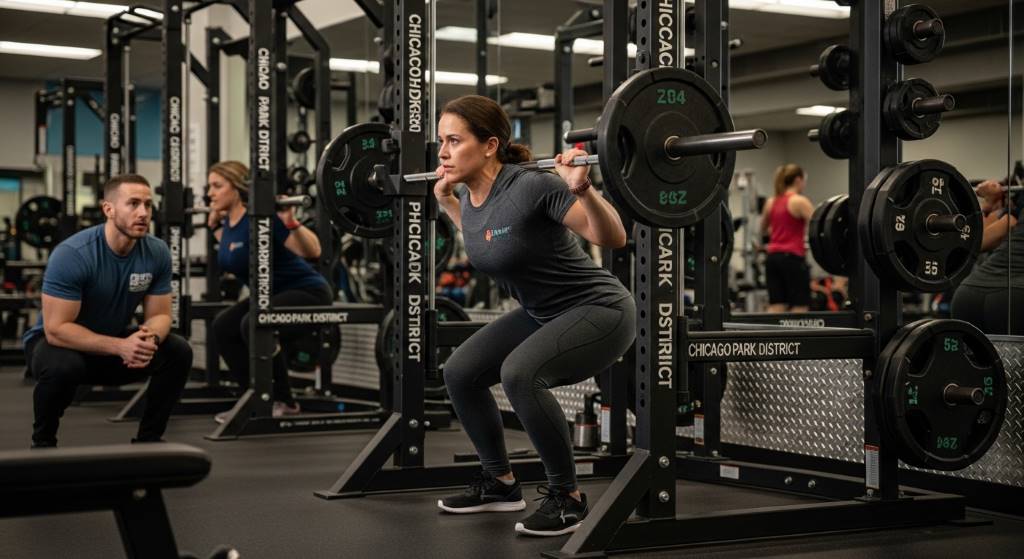
Lower-body exercises involve large muscle groups such as the glutes, hamstrings, calves, and quadriceps. Because these muscles generate powerful force, they need structured resistance progression for visible results. Unfortunately, many Chicago gym members repeat the same workout loads for months without adjustment. Consequently, their bodies adapt and stop responding to the exercises. This common issue leads to frustration and wasted effort.
Fitness experts also emphasize movement quality instead of focusing only on heavier loads. For example, poor squat depth reduces muscle activation even with heavy weights. Likewise, rushed repetitions limit time under tension and weaken training effectiveness. Many trainers now recommend combining strength work with explosive movements for balanced results. Exercises similar to benefits of regular ski jump exercise training can improve coordination, balance, and lower-body power simultaneously.
Why Chicago Residents Often Train at the Wrong Intensity
Chicago lifestyles contribute heavily to inconsistent workout intensity patterns. Many professionals spend long hours commuting or sitting at desks throughout the day. As a result, their lower-body muscles remain inactive for extended periods before training sessions. Tight hips and weak glutes then limit exercise efficiency during workouts. This creates slower muscle engagement and reduced calorie burn.
Weather conditions also affect workout quality in Chicago. During winter, freezing temperatures reduce outdoor physical activity and increase stiffness in joints and muscles. Consequently, many people skip warm-ups and begin lifting without preparing the body properly. Cold muscles perform poorly and fatigue faster during lower-body sessions. Over time, this decreases workout intensity and increases injury risk.
Another overlooked issue involves social media workout trends. Many Chicago gym-goers copy advanced routines without considering their own fitness levels. Some attempt extremely heavy squats too early, while others rely only on high-repetition bodyweight workouts. Neither extreme supports long-term lower-body growth effectively. Personalized intensity remains far more important than following viral routines.
Signs Your Lower-Body Training Intensity Is Incorrect
Slow progress usually appears through several warning signs that many people ignore. One common indicator involves repeating the same weights without noticeable strength improvement. Another sign includes persistent soreness lasting several days after every session. Although soreness can occur occasionally, constant pain often signals poor recovery management. Training harder does not always mean training smarter.
Low energy during workouts also points to incorrect intensity balance. If exercises feel exhausting early in the session, the body may lack recovery or proper programming. Similarly, workouts that feel too easy often fail to stimulate muscle adaptation. Many people in Chicago unknowingly stay in this ineffective middle zone for years. Therefore, tracking workout performance becomes essential for identifying problems.
Joint discomfort often develops when training intensity exceeds movement quality. Knees, hips, and lower backs absorb excess stress during poorly controlled exercises. Moreover, improper posture worsens muscle imbalances throughout the lower body. Some people even develop upper-body tension because compensation patterns spread through the body. In these cases, mobility work and corrective exercises become necessary alongside strength training, especially for issues connected to exercises for pinched nerve recovery strategies.
The Hidden Role of Chicago’s Climate in Workout Results
Chicago’s climate creates unique recovery and performance challenges that many articles rarely discuss. Dry winter air often contributes to dehydration without obvious sweating during workouts. Dehydrated muscles lose endurance faster and struggle to recover efficiently after training sessions. Additionally, indoor heating can tighten muscles and reduce flexibility during colder months. These factors silently reduce lower-body performance over time.
Seasonal mood changes also influence workout intensity consistency. During dark winter months, energy levels and motivation naturally decline for many people. Consequently, gym attendance drops and workouts become less focused or shorter. Even highly motivated individuals may unconsciously reduce effort during difficult weather periods. Maintaining consistency becomes just as important as workout quality itself.
Chicago sidewalks and icy conditions further limit daily lower-body movement. Many residents walk less during winter compared to warmer seasons. Reduced movement decreases baseline leg endurance and weakens stabilizing muscles around the hips and knees. Therefore, gym workouts alone may not fully compensate for the seasonal decline in activity. Active mobility routines become especially valuable during cold months.
How Incorrect Intensity Affects Muscle Growth and Fat Loss
Lower-body muscles require progressive overload to grow stronger and more defined. Progressive overload means gradually increasing resistance, repetitions, or training difficulty over time. However, many people either increase weight too quickly or avoid progression entirely. Both mistakes prevent efficient muscle adaptation and visible results. Consistency with manageable intensity produces far better outcomes.
Fat loss also depends heavily on effective training intensity. Lower-body muscles burn large amounts of energy because they contain some of the body’s biggest muscle groups. When workouts stay too easy, calorie expenditure remains low during and after exercise. In contrast, excessive intensity increases stress hormones that may slow recovery and disrupt sleep. Balanced training supports both fat reduction and muscle retention.
Another uncommon factor involves nervous system fatigue. Heavy lower-body exercises place major demands on the central nervous system, especially with poor recovery habits. Many Chicago professionals already experience high stress from work and commuting. Adding excessive workout intensity without adequate rest creates burnout faster than expected. As a result, performance gradually declines even when effort feels high.
Practical Ways to Fix Lower-Body Training Intensity
Improving workout intensity starts with tracking performance consistently. Recording weights, repetitions, and energy levels helps identify whether workouts remain productive over time. Many successful athletes adjust intensity weekly based on recovery and performance trends. Small adjustments often produce better results than dramatic changes. Consistency always outperforms random hard workouts.
Proper warm-ups also improve lower-body training quality significantly. Dynamic stretches and activation drills prepare muscles for heavier movements safely. Exercises such as glute bridges, lunges, and bodyweight squats increase circulation before training begins. Furthermore, warm muscles respond more effectively to resistance exercises. This simple habit improves strength output and reduces injury risk.
Chicago residents should also adapt workouts according to seasonal conditions. During winter, longer warm-ups and indoor mobility work become more important for flexibility and circulation. Additionally, maintaining hydration remains essential despite colder temperatures. Many people underestimate fluid loss during indoor training sessions. Better hydration improves muscle contractions and overall workout endurance.
Recommended Weekly Lower-Body Intensity Structure
- Day 1: Heavy strength training with compound lifts
- Day 2: Moderate resistance with higher repetitions
- Day 3: Recovery-focused mobility and stretching
- Day 4: Explosive or athletic lower-body exercises
- Day 5: Light endurance-focused movement sessions
This balanced approach prevents excessive fatigue while supporting continuous muscle adaptation. Additionally, varying intensity reduces mental burnout and keeps workouts engaging. Many people improve faster after reducing unnecessary high-intensity sessions. Smart programming often works better than constant maximum effort.
The Importance of Recovery for Lower-Body Progress
Recovery directly influences lower-body training effectiveness, yet many people ignore it completely. Muscles grow and repair during rest periods instead of during workouts themselves. Without enough recovery, strength levels decrease and injury risks increase quickly. Sleep quality also plays a major role in muscle repair and hormone balance. Poor sleep weakens performance even with excellent workout routines.
Nutrition supports recovery just as much as exercise intensity. Protein intake helps repair damaged muscle tissue after challenging workouts. Meanwhile, carbohydrates restore energy levels needed for future sessions. Many busy Chicago residents skip meals or rely on processed convenience foods after training. This habit slows recovery and reduces workout effectiveness over time.
Stretching and mobility work also deserve greater attention. Tight hips and hamstrings commonly limit lower-body exercise quality for office workers. Regular mobility exercises improve movement efficiency and muscle activation during training sessions. Furthermore, flexibility helps maintain healthy joint mechanics under heavier resistance. Consistent recovery habits create more sustainable long-term progress.
Why Consistency Beats Extreme Effort
Many people expect dramatic lower-body transformations within a few weeks of training. However, fitness progress usually develops through steady improvement over several months. Extreme workouts often create burnout or injury before meaningful results appear. Moderate but consistent intensity produces far better long-term outcomes. Sustainable habits always outperform temporary motivation.
Chicago residents especially benefit from structured year-round fitness routines. Seasonal weather changes can easily disrupt exercise consistency without proper planning. Therefore, indoor alternatives and flexible schedules help maintain steady progress throughout the year. Some people also benefit from winter-specific fitness strategies like how to exercise in winter approaches that support consistency during colder months. Adapting to environmental challenges improves long-term workout success significantly.
Ultimately, correct lower-body training intensity combines effort, recovery, progression, and consistency together. People who understand these principles often achieve visible results much faster than those chasing extreme routines. Small adjustments in intensity can dramatically improve strength, endurance, and body composition over time. If your lower-body workouts feel stagnant, now is the perfect time to reassess your training strategy. Start training smarter today and build a stronger foundation for lasting fitness success.
FAQs
Why do my legs feel sore for days after workouts?
Persistent soreness usually means your training intensity or recovery balance needs adjustment.
How often should I train my lower body each week?
Most people benefit from two to four structured lower-body sessions weekly.
Does Chicago winter weather affect workout performance?
Yes, cold weather can reduce flexibility, movement, and overall workout intensity.
Can lighter weights still build lower-body muscle?
Yes, lighter weights work effectively when combined with proper repetitions and progression.
Why do my lower-body workouts stop producing results?
Your body may have adapted to repetitive intensity levels without progressive overload.