
How to Build a Simple, Sustainable Meal Plan for Real Weight Loss
Sarah stared at her kitchen counter, overwhelmed by yet another complicated diet plan promising miraculous results in 30 days. Sound familiar? After countless failed attempts with restrictive diets, fad cleanses, and meal replacement shakes, she discovered something revolutionary: sustainable weight loss doesn’t come from perfection—it comes from consistency with a simple, realistic approach.
If you’re tired of yo-yo dieting and ready to create lasting change, this comprehensive guide will show you how to build a meal plan that actually works for your lifestyle, budget, and long-term health goals.
Understanding the Foundation of Sustainable Weight Loss
Before diving into meal planning strategies, it’s crucial to understand that sustainable weight loss requires a moderate caloric deficit—consuming fewer calories than you burn while maintaining proper nutrition. The key word here is “moderate.” Extreme calorie restriction leads to muscle loss, metabolic slowdown, and inevitable rebound weight gain.
Research consistently shows that people who lose weight gradually (1-2 pounds per week) are more likely to maintain their results long-term. This approach preserves lean muscle mass, supports healthy metabolism, and allows your body to adapt naturally to new eating patterns.
The Psychology Behind Successful Meal Planning
Successful weight loss meal planning isn’t just about calories and macronutrients—it’s about understanding your relationship with food and creating systems that support your goals. Many people fail because they try to overhaul their entire diet overnight, leading to decision fatigue and eventual abandonment of their plan.
The most effective approach involves gradual changes that feel manageable rather than overwhelming. Start by identifying your current eating patterns, noting when you feel most hungry, what triggers overeating, and which healthy foods you genuinely enjoy. This self-awareness becomes the foundation for creating a personalized meal plan that feels sustainable rather than punitive.
Step-by-Step Guide to Building Your Meal Plan
Step 1: Calculate Your Nutritional Needs
Begin by determining your daily caloric needs using online calculators that consider your age, gender, weight, height, and activity level. For weight loss, create a deficit of 500-750 calories per day, which typically results in 1-2 pounds of fat loss weekly.
Next, establish your macronutrient distribution. A balanced approach includes 25-30% protein, 30-35% healthy fats, and 35-40% complex carbohydrates. Protein supports muscle preservation and satiety, healthy fats provide essential nutrients and hormone production, while complex carbohydrates fuel your workouts and daily activities.
Step 2: Create Your Core Food List
Develop a list of 15-20 foods you genuinely enjoy from each macronutrient category. This becomes your meal planning foundation, ensuring variety while maintaining simplicity. For proteins, consider lean meats, fish, eggs, legumes, and dairy. Healthy fats include avocados, nuts, seeds, and olive oil. Complex carbohydrates encompass vegetables, fruits, whole grains, and root vegetables.
Having a core food list prevents decision paralysis and ensures you always have healthy options available. It also simplifies grocery shopping and reduces food waste.
Step 3: Design Your Meal Structure
Most successful meal plans follow a consistent daily structure. Consider a framework like three moderate meals plus one or two small snacks, or four smaller meals throughout the day. The key is choosing a pattern that aligns with your natural hunger cues and daily schedule.
Each meal should include a protein source, healthy fats, and fiber-rich carbohydrates. This combination promotes satiety, stabilizes blood sugar, and provides sustained energy. For example, breakfast might include Greek yogurt (protein), berries (carbohydrates), and nuts (healthy fats).
Practical Meal Prep Strategies for Busy Lifestyles
Meal preparation doesn’t require spending entire Sundays in the kitchen. Start with batch cooking one or two components each week. Cook a large batch of protein, prepare several cups of whole grains, and wash and chop vegetables for easy assembly throughout the week.
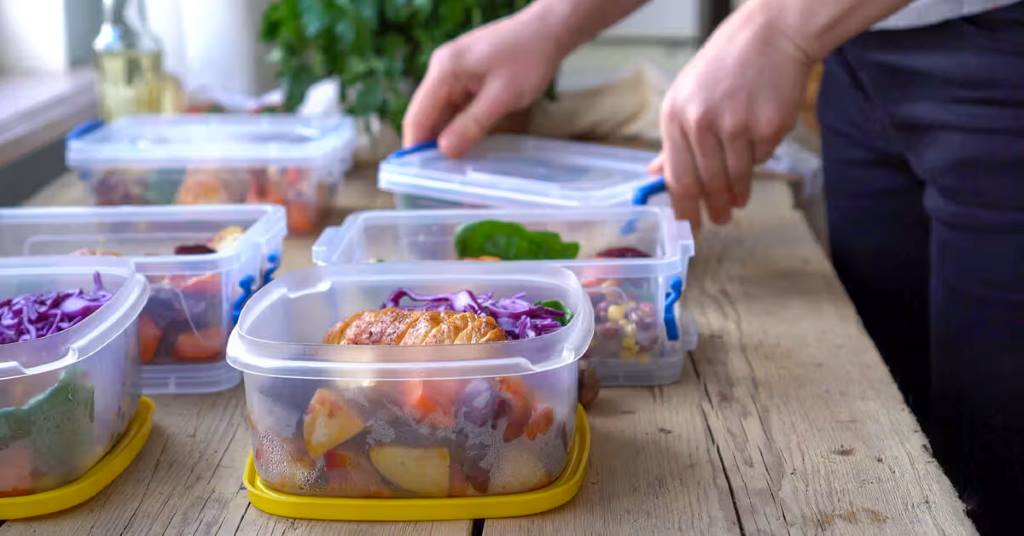
Invest in quality food storage containers that make portioning simple. Mason jars work excellently for salads and overnight oats, while glass containers with compartments help with balanced meal portions. Having pre-portioned meals removes guesswork and prevents overeating during busy weekdays.
Consider “theme nights” to reduce decision-making. Designate Monday for stir-fries, Tuesday for salads, Wednesday for soup and sandwich combinations, and so forth. This structure provides variety while maintaining simplicity.
Portion Control Without Obsessive Measuring
While tracking calories can be helpful initially, the goal is developing intuitive portion awareness. Use your hand as a measuring guide: palm-sized protein portions, thumb-sized fat servings, cupped-hand carbohydrate amounts, and unlimited non-starchy vegetables.
Pay attention to hunger and fullness cues during meals. Eat slowly, eliminate distractions like television or phones, and pause halfway through to assess your satisfaction level. This mindful approach helps prevent overeating while maintaining enjoyment of your meals.
Building Flexibility Into Your Plan
Rigid meal plans often fail because life is unpredictable. Build flexibility by having backup options for various scenarios. Keep healthy frozen meals for overwhelming days, identify restaurant choices that align with your goals, and have simple snack combinations readily available.
Allow for planned indulgences without guilt. If you know you have a dinner party on Saturday, adjust your calories earlier in the week or plan lighter meals that day. This flexibility prevents the all-or-nothing mentality that derails many weight loss efforts.
Common Pitfalls and How to Avoid Them
Many people sabotage their meal planning efforts through perfectionism. Missing one meal or eating an unplanned snack doesn’t ruin your progress—consistency over time matters more than perfect adherence. When deviations occur, simply return to your plan with the next meal rather than abandoning it entirely.
Another common mistake involves creating overly restrictive plans that eliminate entire food groups or favorite foods. This approach often leads to intense cravings and eventual binge eating. Instead, incorporate moderate portions of foods you love within your overall caloric framework.
Avoid the trap of eating the same meals repeatedly out of convenience. While some repetition aids consistency, excessive monotony can lead to boredom and eventual plan abandonment. Rotate through your core food list and experiment with new seasonings, cooking methods, and combinations to maintain interest.
Long-Term Success Strategies
Sustainable weight loss requires viewing meal planning as a lifestyle rather than a temporary intervention. As you lose weight, periodically reassess your caloric needs and adjust your plan accordingly. Your body requires fewer calories at a lower weight, so maintaining your deficit may require further modifications.
Focus on developing cooking skills and nutrition knowledge that support long-term success. Learn to read nutrition labels effectively, understand ingredient quality, and experiment with healthy cooking techniques. These skills become invaluable for maintaining your results independently.
Consider working with a registered dietitian if you have specific medical conditions, food allergies, or struggle with emotional eating patterns. Professional guidance can help personalize your approach and address underlying issues that might sabotage your efforts.
Making Your Plan Work in the Real World
Remember that the best meal plan is the one you can actually follow consistently. Start with small changes, be patient with the process, and celebrate non-scale victories like increased energy, better sleep, and improved mood. These benefits often appear before significant weight loss becomes visible.
Track your progress through multiple metrics beyond the scale, including body measurements, progress photos, and how your clothes fit. Weight can fluctuate daily due to various factors, but these alternative measures provide a more complete picture of your success.
Read Also:
Types of intermittent fasting for weight loss
8 supplements for the treatment of fatty liver
Your Next Steps Toward Lasting Weight Loss
Building a sustainable meal plan for weight loss doesn’t require perfection—it requires consistency, patience, and a willingness to adapt as you learn what works for your unique lifestyle. Start by implementing one or two strategies from this guide rather than attempting to change everything at once.
Ready to transform your relationship with food and achieve lasting weight loss? Download our free meal planning template and grocery shopping checklist to get started today. Join thousands of others who have discovered that sustainable weight loss is possible when you focus on progress over perfection. Click the link below to access your free resources and begin building the healthy, balanced lifestyle you deserve.
What’s your biggest challenge with meal planning? Share your experience in the comments below and let’s support each other on this journey toward better health.