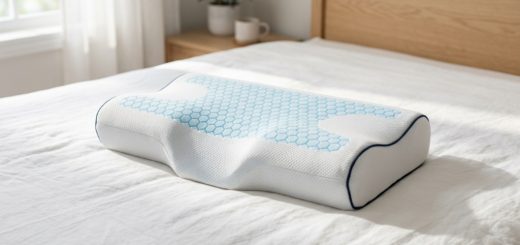
How to Choose the Right Cooling Pillow for Hot Sleepers
Waking up with a damp pillow and a overheated neck is a frustrating way to start the day. For millions of hot sleepers, the struggle isn’t just about temperature—it’s about the cascade of restless tossing, turning, and groggy mornings that follow. The right cooling pillow can break this cycle, but the market is flooded with options that promise “cooling comfort” yet deliver little more than a slightly breathable cover. The real challenge lies in understanding the technology, materials, and your own sleep position. For a detailed look at how specific premium models perform in real-world conditions, resources like PeakPillows offer practical comparisons that cut through the marketing hype. Let’s break down what actually works so you can make a choice that keeps you cool and asleep.
Quick Answer
To choose the right cooling pillow, prioritize the filling material over the cover. Look for phase-change materials (PCM) or breathable latex/gel-infused memory foam. Side sleepers need a medium-to-high loft for spinal alignment, while back sleepers need medium loft. Avoid pillows that only have a “cooling” cover but a dense, heat-retaining core. The best approach is to select a pillow with a breathable core (like shredded latex or PCM-infused foam) and a moisture-wicking, breathable cover like bamboo rayon or Tencel.
Key Takeaways
- Focus on the core material: phase-change materials (PCM) and latex are the most effective for active cooling, while standard memory foam retains heat.
- Consider your sleep position: side sleepers need a higher loft, while stomach sleepers need a very low loft to maintain spinal alignment.
- Check the cover fabric: a breathable cover (bamboo, Tencel, or cotton) is essential but cannot compensate for a heat-trapping core.
- Don’t rely on “cooling gel” claims alone—gel-infused foam can still sleep warm unless the gel is a PCM.
Why Most “Cooling” Pillows Fail
The primary reason most cooling pillows underperform is that they treat the symptom rather than the cause. Many manufacturers add a “cooling” cover—often a synthetic fabric or a thin layer of gel—while the core remains dense, heat-retaining memory foam. Memory foam is notorious for trapping body heat because its structure is closed-cell and dense, preventing airflow. A cooling cover can only wick away moisture and provide a momentary cool touch, but within 30–60 minutes, the heat from your head and neck will saturate the foam, making the pillow feel warm.
To truly sleep cool, the pillow must actively dissipate heat through its core. This means the material itself must either allow air to flow through it (like latex or shredded foam) or contain PCMs that absorb and release heat to regulate temperature. Additionally, the pillow’s construction needs to promote airflow, not just have a breathable surface.
Key Materials for Active Cooling
Understanding the materials is the most critical step in selecting a cooling pillow. Here’s a breakdown of what actually works and what to avoid.
Phase-Change Materials (PCM)
PCMs are the gold standard in cooling pillow technology. These materials are designed to absorb excess heat when you’re warm and release it when you cool down, maintaining a constant microclimate around your head. They are often embedded in the foam or placed as a layer within the pillow. A pillow with a true PCM layer will feel cool to the touch and maintain that coolness throughout the night. This is the most effective technology for hot sleepers, but it also comes at a higher price point.
Latex (Natural or Synthetic)
Latex is an excellent choice for hot sleepers because of its open-cell structure. This structure allows for significant airflow, which helps dissipate heat and moisture. Natural latex is also more breathable than synthetic versions and is naturally resistant to dust mites and mold. Latex pillows have a firmer, more responsive feel than memory foam and provide excellent support. They are a great choice for those who want a durable, breathable pillow that doesn’t sleep hot.
Gel-Infused Memory Foam
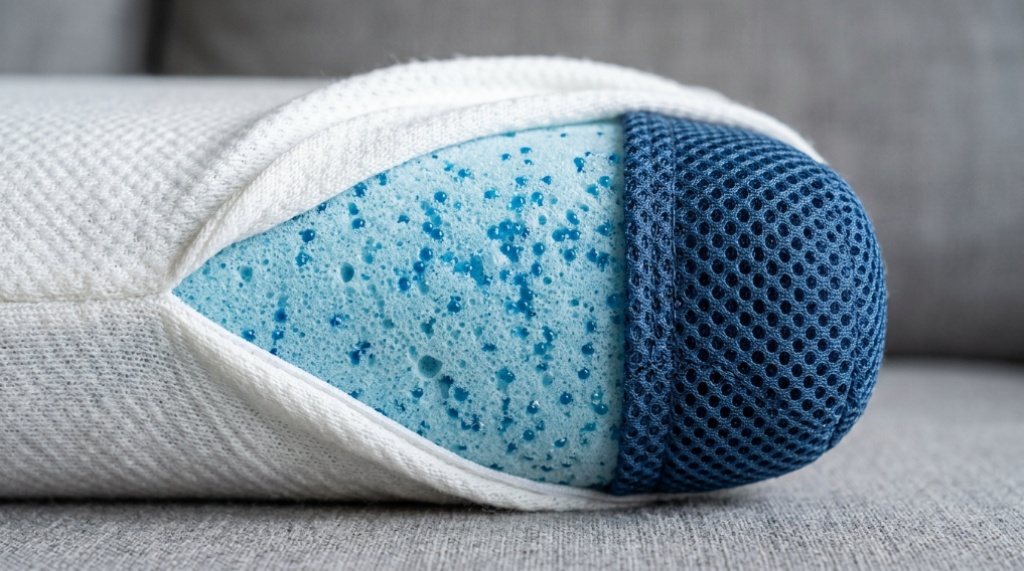
This is where marketing often misleads consumers. Standard gel-infused memory foam has small gel beads mixed into the foam. The intention is to draw heat away, but in practice, the gel beads are not PCMs and do not actively cool. The foam itself is still dense and traps heat. Some premium versions use PCM-infused gel, which is effective, but many do not. If you see “gel-infused” without a mention of PCM or phase-change, it’s likely just a marketing term. Always look for the specific technology used.
Shredded Foam and Fiber
Shredded memory foam or polyester fiber pillows are more breathable than solid foam blocks because air can move between the shreds. However, the material itself is still foam or synthetic fiber, which can retain heat. These pillows are often adjustable, allowing you to add or remove filling to adjust loft. While they are more breathable than solid memory foam, they are not as effective as latex or PCM options for active cooling.
Matching Pillow Loft to Sleep Position
Cooling is only half the equation. A pillow that doesn’t support your neck properly will cause pain, regardless of how cool it stays. The loft (height) and firmness must align with your sleep position to maintain a neutral spine.
Side Sleepers
Side sleepers need a higher loft (typically 4–6 inches) to fill the space between the ear and the outside shoulder. A pillow that is too low will cause the neck to bend downward, leading to stiffness. Look for a medium-to-firm pillow with a higher loft. A contoured pillow with a deeper groove for the shoulder can also be beneficial. Latex and PCM foam are good choices here because they offer the needed support without sacrificing breathability, While finding restful sleep is essential for recovery, lifestyle wellness involves many moving parts especially when managing gut health or exploring topics like why digestive comfort is hard to maintain in houston, tx.
Back Sleepers
Back sleepers need a medium loft (typically 3–5 inches) to support the natural curve of the cervical spine. The pillow should be firm enough to support the head but not so high that it pushes the chin toward the chest. A medium-firm latex or a PCM-infused foam pillow with a slight contour is often ideal.
Stomach Sleepers
Stomach sleepers need the thinnest pillow (typically 2–3 inches) to avoid straining the neck. A very low-loft, soft pillow or even no pillow at all is often best. For stomach sleepers who still want a pillow, a soft, low-profile latex or shredded foam option is preferable. The key is to minimize the angle of the neck.
Comparing Cooling Technologies: A Decision Table
To make the decision easier, here’s a direct comparison of the most common cooling pillow materials based on key factors.
| Material | Cooling Effectiveness | Support & Firmness | Durability | Best For |
|---|---|---|---|---|
| Phase-Change Materials (PCM) | Excellent (active) | Medium to firm | Good | Hot sleepers who want consistent temperature regulation |
| Natural Latex | Very Good (passive airflow) | Firm and responsive | Excellent (long-lasting) | Those who want support, breathability, and durability |
| Gel-Infused Memory Foam (Standard) | Poor to Fair | Medium to firm | Fair (may break down) | Those who prefer memory foam feel but don’t overheat |
| Shredded Foam | Fair (better than solid foam) | Adjustable | Fair | Those who want adjustable loft and some airflow |
| Polyester Fiber | Fair to Good (depending on density) | Soft | Poor (flattens quickly) | Stomach sleepers or those on a budget |
Other Critical Factors to Consider
Beyond the core material and loft, several other factors can significantly impact your experience with a cooling pillow.
The Cover Fabric
Even with a breathable core, a non-breathable cover can ruin the experience. Look for covers made from bamboo rayon, Tencel (lyocell), or organic cotton. These fabrics are naturally breathable and wick moisture away from the skin. They also tend to be softer and more durable than synthetic blends. A cover with a zipper is a plus, as it allows you to inspect the core material and wash the cover easily.
Breathability and Airflow Design
Some pillows feature special airflow channels or a “gusset” design that promotes air circulation. For example, a pillow with a mesh side panel or a perforated foam core allows heat to escape more effectively. These design features can enhance the cooling effect of the material. Look for pillows that explicitly mention airflow or ventilation in their construction.
Care and Maintenance
Cooling pillows, especially those with PCM or latex, have specific care requirements. Many cannot be machine washed, and some are sensitive to heat. Always check the care label. A pillow that can be spot-cleaned and has a washable cover is easier to maintain. Latex pillows should never be exposed to direct sunlight for extended periods, as this can degrade the material.
Common Mistakes to Avoid When Buying
Many hot sleepers make the same purchasing errors. Avoiding these can save you money and frustration.
- Ignoring the core material: Buying a pillow with a cooling cover but a standard memory foam core is the most common mistake. The cover will not solve the heat problem.
- Overlooking your sleep position: Choosing a high-loft pillow when you’re a stomach sleeper will cause neck pain, no matter how cool it stays.
- Assuming “gel” means “cool”: As mentioned, most gel-infused foams are not PCMs and do not actively cool. Read the specifications carefully.
- Not checking the return policy: A pillow is a personal choice. A 30-night trial or a generous return policy is essential to test if it works for you.
Frequently Asked Questions
What is the best material for a cooling pillow?
The best materials are phase-change materials (PCM) for active temperature regulation and natural latex for passive breathability. Both provide superior cooling compared to standard memory foam.
Are gel pillows actually cooler?
Not necessarily. Most “gel” pillows use gel-infused memory foam, which doesn’t actively cool. Only pillows with PCM (phase-change material) technology provide a consistent cooling effect. Always check the product details for PCM.
How long does a cooling pillow last?
Durability depends on the material. Latex pillows can last 5-7 years or more. PCM-infused foam pillows typically last 3-5 years. Standard memory foam pillows may break down after 2-3 years, especially if they retain heat and degrade faster.
Can I machine wash a cooling pillow?
Most cooling pillows cannot be machine washed. The core materials (latex, PCM foam) are often sensitive to water and heat. Always check the care label. A washable, zippered cover is recommended for easy cleaning.
Is a higher loft pillow better for side sleepers?
Yes, side sleepers generally require a higher loft (4-6 inches) to keep the spine aligned. A pillow that is too low will cause the neck to bend, leading to discomfort.
Conclusion
Choosing the right cooling pillow requires looking past marketing claims and focusing on the core technology and your specific sleep needs. Prioritize pillows with phase-change materials or latex for effective cooling, and always match the loft to your sleep position to ensure proper spinal alignment. Remember that a breathable cover is a necessary complement to a breathable core, not a substitute for it. By understanding these principles, you can select a pillow that not only keeps you cool but also supports a restful, pain-free night’s sleep. The right investment in your sleep environment is an investment in your daily energy and well-being.