How to Build a Florida-Ready Vehicle Protection Plan in Melbourne, FL
Key Takeaways
- Begin with the vehicle’s biggest exposure, whether that is cabin heat, paint chips, fading, glare, or hard-to-remove buildup.
- Window film darkness is not the same as heat-rejection performance.
- Paint protection film is best reserved for high-impact areas that see rocks, bugs, and road debris.
- Ceramic coatings can support easier washing, but they do not replace film or careful driving.
- Routine cleaning remains essential in Melbourne’s humid, rain-prone environment.
In Melbourne, Florida, a vehicle can spend years dealing with bright sun, humid afternoons, sudden downpours, sandy parking areas, highway grit, and long stretches of outdoor parking. A smart protection plan does not need to happen all at once. It starts by matching upgrades to the way the vehicle is actually driven, parked, and maintained. For many local drivers, ceramic coating for cars in Melbourne, FL, is one part of a broader plan for keeping exterior surfaces easier to clean in a demanding coastal climate. The most effective approach separates comfort, appearance, and impact protection. Window film can help with glare and solar load. Paint protection film can address areas exposed to debris. Coatings and regular detailing can help simplify cleaning. Each option has a different job, so choosing the right order matters more than simply selecting the largest package available.
Why Melbourne Conditions Challenge Vehicles
Melbourne drivers experience a mix of salt-tinged coastal air, intense sunlight, frequent rain, and airborne debris. Water left to dry on paint or glass can leave mineral spots, while bugs, bird droppings, tree sap, and road film can become harder to remove when ignored. Drivers searching for automotive ceramic coating near me should first decide whether easier cleanup is their primary goal or whether the vehicle also needs physical protection in high-impact areas. That distinction helps prevent spending on a finish treatment when the bigger concern is paint chipping on highway commutes. The sun also delivers visible light, infrared heat, and ultraviolet radiation, which is why these three components should be considered separately when comparing window-film specifications. A vehicle parked outside near workplaces, apartment communities, beaches, or launch-area traffic corridors faces a different routine than a garage-kept weekend car. Daily exposure should guide the plan. There is no single product that fully protects paint, glass, interior materials, wheels, and trim from every local condition.
Assessing Your Vehicle’s Real Needs
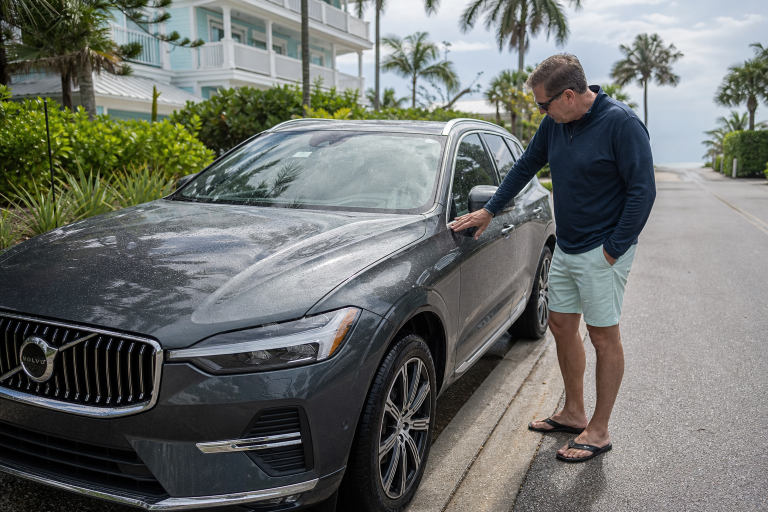
Before choosing upgrades, take a quick inventory of how the vehicle lives day to day. A new SUV that travels Interstate 95 every week has different priorities from a work truck parked outside near the Indian River Lagoon or a lightly driven coupe stored in a garage.
Ask These Questions First
- Where is the vehicle parked most often, indoors, under trees, or in direct sun?
- How many highway miles does it cover each week?
- Are comfort, resale value, appearance, or work durability the top priority?
- Is it new, leased, restored, used for family travel, or used for business?
- Which problems are already visible, such as chips, faded trim, stained upholstery, swirl marks, or glare?
A commuter who parks all day outdoors may prioritize heat and glare control. An owner of a new vehicle on a long highway route may prioritize front-end paint protection over wheels, graphics, or other cosmetic changes.
Choosing Window Film for Heat and Glare
Window film is often the most immediately noticeable upgrade in Florida because it can improve visual comfort and help manage solar energy entering the cabin. However, a darker shade does not automatically mean better heat control. Compare visible light transmission, glare reduction, ultraviolet rejection, infrared performance, clarity, and the warranty rather than judging film by appearance alone.
- Dyed film: Often selected for a lower-cost appearance change and glare reduction.
- Carbon film: Can provide a balanced option for appearance, glare control, and performance.
- Ceramic film: Is often chosen by drivers seeking stronger heat management and clear visibility without relying only on a very dark shade.
Professional installation matters because clean glass preparation, accurate cutting, sealed edges, and curing time influence how the finished film looks and performs. Drivers should also remember that factory privacy glass and added film are not automatically measured the same way.
Checking Florida Tint Requirements
Florida rules differ by window location, vehicle configuration, reflectivity, and potential exemptions. Before choosing a shade, review Florida’s window-sunscreening requirements and confirm that the final glass-and-film combination complies. Ask about required labeling, measure the finished result rather than relying on film-box percentages, and keep any applicable exemption paperwork with the vehicle.
When Paint Protection Film Makes Sense
Paint protection film, often called PPF, is designed for physical exposure rather than simple water beading or shine. It can be particularly useful on front bumpers, leading edges of the hood, mirrors, rocker panels, door edges, and behind-the-wheel areas. These are the places most likely to meet gravel, sand, insects, and debris during regular Melbourne-area driving. Partial coverage is a practical choice for a daily driver with a limited budget. Full-body coverage may make more sense for a newer luxury vehicle, a performance car, or an owner focused on preserving original paint. Either way, surface preparation is important. Film should be installed on clean, corrected paint whenever possible, and it still needs regular washing.
Where Ceramic Coatings Fit
Ceramic coatings are surface treatments that can make paint, glass, wheels, and trim easier to clean when properly applied and maintained. They can help reduce the grip of everyday grime and support a glossier finish, which is useful after humid rainstorms or coastal driving. They do not provide the same impact resistance as PPF, so they should not be treated as a substitute for physical paint protection.
Choose the Main Job
- Window film: Best for heat, glare, and UV-related cabin comfort.
- Paint protection film: Best for defending vulnerable paint from small impacts.
- Ceramic coating: Best for easier cleaning and maintaining a polished appearance.
- Detailing: Essential for surface preparation and ongoing care on every vehicle.
Detailing, Styling, and Maintenance
Protection products work better when supported by safe wash habits. Wash from the top down, use separate tools for wheels and painted panels, and dry with clean microfiber towels. Rinse bird droppings, bug residue, salt spray, and heavy dust promptly. Automatic brush washes can create fine scratches, especially on darker paint. Once the basics are handled, styling and convenience upgrades can make the vehicle more enjoyable. Wheels, lighting, audio, graphics, wraps, security systems, and compatible remote-start features should align with the vehicle’s intended role. A work vehicle may benefit most from durable surfaces and easy cleanup, while a weekend vehicle may justify more appearance-focused customization.
A Practical Upgrade Order
- Repair damaged paint, glass, trim, tires, or mechanical issues first.
- Address cabin heat, glare, and UV exposure.
- Protect high-impact paint areas used on highways.
- Detail and prepare the finish before applying a coating.
- Add styling upgrades after the protection priorities are covered.
- Set a maintenance routine for washing, inspections, and touch-ups.
Final Checklist for Melbourne Drivers
A Florida-ready vehicle plan should reflect local sun, rain, humidity, coastal conditions, parking habits, and mileage. Start with the most urgent problem, then add protection in layers. Weekly removal of bugs and bird droppings, monthly inspections for chips or lifting film edges, and a thorough wash after severe weather can preserve the value of every upgrade. A thoughtful plan delivers more lasting value than choosing the darkest tint, the largest coating package, or the flashiest modification without considering how the vehicle is used in Melbourne, FL.
Conclusion
A smart vehicle protection plan for Melbourne, Florida, starts with the conditions your car actually faces. Window film can improve heat and glare control, PPF can protect high-impact painted areas from road debris, and ceramic coatings can make routine cleaning easier while maintaining a polished finish. However, none of these services eliminates the need for regular washing, inspections, and proper maintenance. Drivers should consider outdoor parking, highway mileage, coastal exposure, budget, and long-term ownership before choosing an upgrade package. Florida tint requirements should also be confirmed before installation, and final glass-and-film measurements should be checked for compliance. By addressing repairs and maintenance first, then adding comfort and protection upgrades in practical stages, Melbourne drivers can avoid unnecessary expenses while keeping their vehicles cleaner, more comfortable, and better prepared for the area’s intense sun, humidity, rain, and everyday road conditions.