How much protein do you need? Get the right intake and the right protein sources
To determine how much protein you need daily, you can calculate it based on your lean body mass or total body weight. Protein is key for building muscle, metabolism, and overall health. The main sources include both animal and plant-based protein, which support muscle growth, recovery, and general well-being.
The word “protein” comes from the Greek “protos,” meaning “first in rank or position,” and that’s no coincidence. Protein is key to the proper functioning of the body; therefore, meeting your daily needs is essential, even though these vary considerably from person to person.
Your protein needs depend on several factors, such as your weight and muscle mass, not just whether you are male or female. You’ve probably read that most people consume enough protein to meet their needs, or that the “average woman” needs about 46 grams per day and the “average man” about 56 grams.
But keep this in mind: these guidelines from the National Academies of Nutrition and Dietetics in the United States have been established at levels that meet the basic needs of most people. Other countries and regions have their own nutritional recommendations, and the values may differ from those in the United States. Furthermore, for many people, simply meeting basic needs may not account for factors such as body composition, physical activity, and personal fitness goals.
Does it make sense to use a “one-size-fits-all” approach to protein? Calorie needs vary from person to person, and so does protein. After all, people have different body sizes and compositions, so their protein requirements can vary considerably.
For a more specific number tailored to your needs, try these three formulas to calculate your protein intake:
1. Calculate based on your daily calorie intake.
The National Academies recommend consuming between 10% and 35% of your daily calories from protein. This guideline is helpful because it links protein needs to calorie needs; however, the range is broad and doesn’t consider individual body composition or activity level. Also, for smaller individuals, that 10% might not meet the minimum recommended intake.
If you use this method, our Global Wellness Philosophy suggests aiming for approximately 30% of your total calorie intake, a value within the suggested range.
To calculate how many grams of protein you should consume daily, multiply your daily calorie needs by 0.3; this number represents how many calories should come from protein. Then divide by 4, since each gram of protein provides 4 calories. This gives you the recommended daily grams.
For example, if your daily calorie requirement is 2,000 calories, and you know that one gram of protein contains 4 calories:
- 2,000 calories x 0.3 = 600 calories of protein
- 600 calories of protein divided by 4 = 150 grams of protein per day
But if you want a more precise calculation, there are two additional methods.
2. Calculate based on your lean body mass.
Even if two people have similar calorie needs and weights, those with more muscle mass usually need more protein to support tissue growth and repair than those with a higher percentage of body fat.
The amount of protein you need each day depends, in part, on how much lean body mass you have. Lean body mass includes everything that isn’t fat: muscle, bones, and organs.
To calculate your daily protein needs using your lean body mass:
- First, measure your body composition . Many gyms, clinics, nutrition clubs, or even home scales can measure your lean body mass.
- Aim to consume between 0.5 and 1 gram of protein per pound of lean body mass (if you calculate it in pounds).
- Aim to consume between 1 and 2 grams of protein per kilogram of lean body mass (if you calculate it in kilograms).
For example, if you have 150 pounds of lean body mass, you should consume between 75 and 150 grams of protein per day. The range is wide, so those who do more intense, muscle-building workouts should consider aiming for the upper end of the range.
Calculating protein based on your lean body mass is our preferred method, as it allows for a more accurate estimate of how much protein you need to maintain your muscle mass, optimize your metabolism, and support your overall health.
3. Calculate using your body weight.
Not everyone has access to a body composition analysis. If that’s the case for you, you can estimate your protein needs based on your current weight. It’s not a perfect method because it doesn’t consider how much muscle mass you have, but it does account for differences in body size.
Here’s a simple and practical way to calculate your daily protein:
- In pounds: multiply your body weight by 0.7
- In kilograms: multiply your body weight by 1.5
- The number you get is a reasonable goal for grams of protein you should consume per day
Therefore, a woman who weighs 140 pounds (64 kilograms) should aim to consume about 100 grams of protein per day. A man who weighs 220 pounds (110 kilograms) should consume between 155 and 165 grams per day.
These methods of calculation—whether by lean body mass or body weight—help you determine how much protein you need to consume each day and offer a more personalized recommendation than general guidelines based solely on gender or calorie intake.
Protein requirements according to age and activity level
Age and activity level also influence the exact point within the recommended protein range. Let’s look at these additional factors.
Protein requirements according to age and life stage
- Children and adolescents : During growth spurts, protein requirements increase to support tissue development, muscle growth, and overall bodily functions. During periods of rapid growth and muscle development, children and adolescents may require a higher amount of protein relative to their body weight compared to adults.
- Adults : Protein requirements in adults are generally stable. Younger adults typically utilize protein more efficiently for muscle repair due to their greater muscle mass and metabolic rate.
- Older adults : As we age, our muscle mass naturally declines (a condition known as sarcopenia). To help reduce this muscle loss and support their overall health, older adults need to consume more protein relative to their body weight.
Protein requirements according to activity level
- Sedentary lifestyle or light activity : If your activity level is low, you will need less protein because muscle breakdown is less. In this case, about 0.5 g per pound of lean mass (or 1 g per kilogram of lean mass) is usually sufficient.
- Moderate activity: For those who engage in moderate exercise, protein is key for muscle repair and recovery, especially after resistance or cardiovascular workouts. It is recommended to consume about 0.75 grams of protein per pound of lean body mass (or 1.5 g per kilogram).
- Intense exercise or athletes : If you engage in intense physical activity (weightlifting or endurance sports), you’ll need more protein to support muscle repair, growth, and recovery. For these athletes, a good starting point is 1 gram of protein per pound of lean body mass (or 2 grams per kilogram of lean body mass).
What about the different protein sources and the right time to consume them?
If you want to increase your muscle mass through strength training and proper nutrition, you need sufficient protein to stimulate muscle repair and growth. While our recommendation of up to 1 gram per pound of lean mass is appropriate, ensuring you consume the right amount is only part of the process. It’s also important to spread your protein intake throughout the day and consume protein from the best sources to support muscle repair and growth.
Protein intake stimulates muscle protein synthesis, so it’s ideal to distribute it evenly between meals and snacks. It’s also important to consume some protein immediately after exercise. After a workout, it’s recommended to consume dairy protein sources like whey and casein, as they are rich in branched-chain amino acids (BCAAs), a particular group of amino acids that promote muscle repair and recovery after exercise.
Why is protein so important?
Consuming the right amount of protein each day is important for several reasons:
- Body structure : Protein is a key component of skin, hair, nails, bones, blood, and cartilage; it literally gives structure to the body.
- Maintaining lean body mass : Protein is key to maintaining lean body mass, including muscles, bones, and organs.
- Muscle repair and growth : protein promotes muscle recovery and helps maintain muscle strength.
- Metabolism : Protein helps regulate metabolic functions and supports overall energy production.
- Weight loss : Protein increases satiety and helps you feel full for longer. It also satisfies hunger better than fats or carbohydrates.
- Calorie burning : When you consume protein, the thermic effect of food increases, that is, the calories that the body uses to digest it.
- Function of the immune system : The protein is essential for the production of antibodies, which help protect us against external agents.
- Enzyme production : Protein is essential for the synthesis of enzymes, which accelerate essential chemical processes in the body, such as digestion and energy production.
- Hormone production : The protein helps produce hormones that regulate essential body functions, such as insulin, which controls blood sugar.
- Transport proteins : protein creates transport proteins, such as hemoglobin, which distributes oxygen throughout the body; in addition to other proteins that are responsible for carrying vitamins and minerals to the cells.
The importance of consuming protein consistently
Unlike carbohydrates and fats, the body doesn’t store protein, which means you need to replenish it regularly. If your diet were consistently deficient in protein, your body would have no choice but to start breaking down internal proteins (like those in skeletal muscles) to obtain the amino acids needed to produce vital proteins, including hormones and enzymes essential for life.
While this process of building up and breaking down protein occurs in your body all the time, the system only functions as long as there are adequate amino acids from your diet to keep the two processes in balance. For this reason, you should pay attention not only to the quantity of protein you consume but also to its quality, ensuring it contains all the essential amino acids your body needs.
What are the best sources of dietary protein?
Proteins are made up of amino acids, known as the building blocks of life. Of the 20 amino acids, nine are considered essential, meaning the body cannot produce them and must obtain them through food.
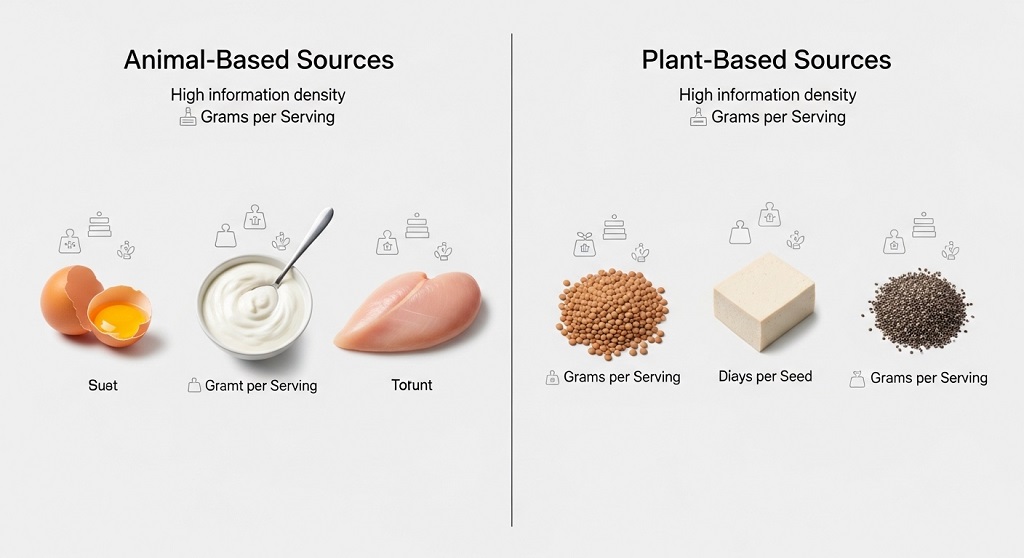
The best sources of animal protein
Animal-based proteins are complete proteins, as they provide all nine essential amino acids. They also typically provide important minerals such as iron, zinc, and calcium.
- Eggs : Eggs are a nutrient-rich, economically accessible food and a complete and easily digestible source of protein.
- Fish : Fatty fish such as salmon, mackerel, and sardines not only provide protein, but also provide heart-healthy omega-3 fatty acids.
- Poultry : Chicken and turkey are versatile options that are high in protein and low in fat.
- Dairy products : milk, yogurt, and cheese are excellent sources of protein and calcium, which also promote bone health and muscle repair.
- Meat : Lean cuts of beef, pork, and lamb are rich in protein, heme iron, and zinc.
Animal-based proteins are particularly beneficial for people who need concentrated nutrients, such as older adults or athletes. However, it’s important to choose lean and minimally processed options to control your intake of fats, saturated fats, and sodium.
The best plant-based protein sources
Plant-based proteins are not only rich in amino acids, but also provide additional benefits such as fiber, phytonutrients, antioxidants, and essential vitamins and minerals. While many plant-based proteins are incomplete, combining different types can help you achieve a balanced amino acid profile, especially if you follow a vegetarian or vegan diet.
- Soy and soy products : tofu, tempeh and edamame are complete proteins and excellent meat substitutes in plant-based diets.
- Whole grains : quinoa, farro and oats provide protein and important micronutrients such as B vitamins and magnesium.
- Legumes : beans, lentils, and chickpeas are rich in protein, fiber, and complex carbohydrates, making them an excellent choice for sustained energy.
- Nuts and seeds : almonds, walnuts, chia seeds and flaxseed provide protein, healthy fats and antioxidants.
Plant-based proteins are naturally cholesterol-free and generally contain less total and saturated fat than animal-based proteins, making them a great choice for supporting cardiovascular health. They also promote digestive health thanks to their fiber content.
As part of our overall wellness philosophy, we recommend consuming both plant-based and animal-based protein sources to reap their full nutritional benefits. This balanced approach ensures you get all the essential amino acids you need, along with the unique nutrients each source provides, while supporting your overall health and well-being.
Counting protein, easier than ever: a practical system to monitor your intake
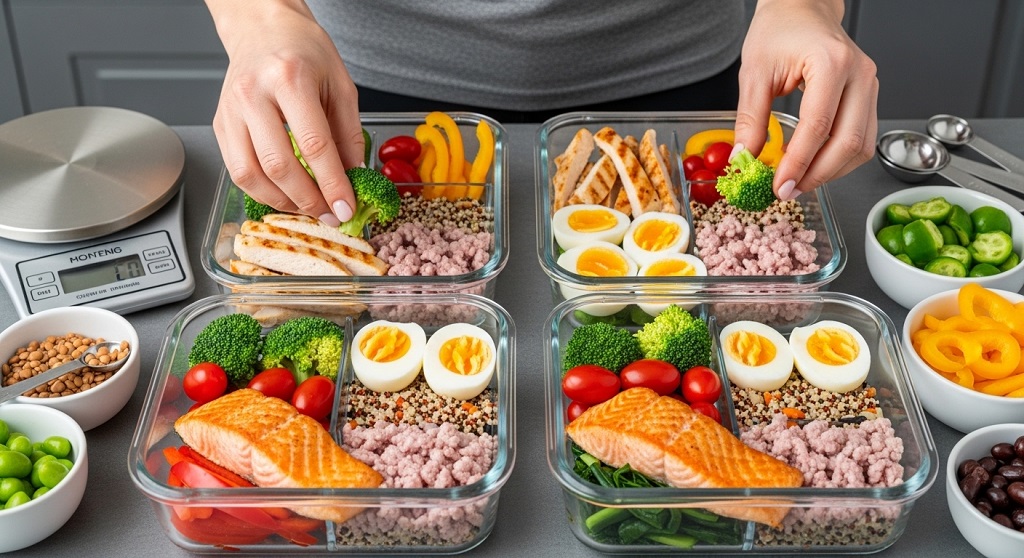
Now that you know how much protein you should be consuming, and the best types to include in your diet, it’s time to estimate how much you’re actually getting each day. It can be easier to estimate the amount of protein in a meal in 25-gram units and the amount for snacks in approximately 10-gram units .
Let’s understand why. Common servings of many protein-rich foods we eat conveniently contain around 25 grams of protein, while protein-rich snacks tend to be in the 10-gram range. Therefore, this makes it easier to keep track.
Each of the following examples contains approximately 25 grams of protein:
- Chicken breast: 3 ounces (cooked weight), about the size of a deck of cards
- Salmon: 4 ounces (cooked weight), a palm-sized portion
- Ground turkey: 4 ounces (cooked weight)
- Lentils: 1 1/3 cups, cooked
- 1 cup semi-skimmed cottage cheese
Similarly, the following snacks contain about 10 grams of protein:
- One single-serving container of yogurt (5 1/2 ounces)
- A regular protein bar
- A handful of roasted soybeans
If you’re a woman aiming for 100 grams of protein per day, you can easily achieve this by consuming 25 grams (one serving) at each meal, in addition to incorporating a couple of protein snacks. If you’re a man aiming for 150 grams per day, you can simply double your protein servings at some meals to reach your goal.
Discover how Herbalife’s premium protein products can help you reach your specific goals. Contact an Independent Herbalife Distributor today.
How to meet your daily protein requirements
Here are some tips and recommendations to help you keep track of and reach your protein intake goal:
Make sure to read the nutritional information on the labels so you can keep more accurate track.
- For greater accuracy, weigh the cooked proteins several times to familiarize yourself with the amount of protein in your usual portions.
- Use an app that helps you keep a daily record.
- If you usually eat mainly animal protein, try a meat-free meal or a vegetarian protein source to change up your routine.
- If you need to consume more protein, consider meal replacements or protein shakes that you can customize to your needs by adding protein powder or other sources such as yogurt, cottage cheese, tofu, or nut butter.
- Don’t focus solely on protein; the overall balance of your diet is also important. So make sure your daily diet includes healthy carbohydrates (from fruits, vegetables, whole grains, and beans), as well as some healthy fats from nuts, avocados, and vegetable oils.
National Institutes of Health (.gov): Dietary Reference Intakes for Energy,
Frequently asked questions about protein intake
These are some answers to the most common questions about protein intake.
What are the symptoms of not consuming enough protein?
Not consuming enough protein can lead to fatigue, muscle weakness, and slower recovery after exercise. You may also experience hair loss, brittle nails, and skin problems such as dryness or irritation. Because protein helps you feel full, not eating enough can make you feel hungrier between meals.
Is it harmful to consume too much protein?
While there’s no defined “safe” upper limit, consuming too much protein can have negative effects. Because protein contains calories, consuming more than you need without burning them off can lead to weight gain. If your diet consists mainly of animal protein, a high intake can increase your consumption of saturated fats and your risk of cardiovascular disease. Consult a healthcare professional if you have specific concerns.
What is the best time to consume protein?
It’s recommended that you spread your protein intake throughout the day, especially after exercise, to support muscle recovery. Ideally, try to consume protein at every meal and snack to maximize muscle protein synthesis and overall health.
How does protein contribute to weight loss?
Protein promotes weight loss because it increases satiety, helping you feel fuller for longer and reducing overall calorie intake. Insufficient protein intake can increase hunger and hinder weight loss. If you don’t consume enough protein while trying to lose weight, you may experience muscle loss, which will slow your metabolism because you’ll burn fewer calories at rest.
Is plant-based protein as good as animal-based protein for achieving my goals?
Yes, plant-based protein can be just as effective as animal-based protein in supporting muscle growth and overall health, provided you get it from a variety of sources. While animal-based proteins contain all nine essential amino acids, some plant-based proteins may lack one or more. However, by combining different plant-based proteins, you can ensure a complete amino acid profile. Plant-based proteins also offer additional benefits such as fiber, phytonutrients, antioxidants, and lower levels of saturated fat.
Conclusion: Make sure you meet your protein intake goals
Understanding your protein needs is essential for maintaining overall health, supporting muscle repair, and achieving your fitness goals. By calculating your protein intake based on your lean body mass or body weight, you can better tailor your nutrition to your specific objectives. For added convenience, consider incorporating supplements like Herbalife protein products into your routine—high-quality options that help you meet your protein needs throughout the day.
Read More Also How to Reduce Leg Swelling Naturally Using Elevation Pillows
Discover More What are the Physical and Mental Symptoms of Carer Burnout?