
What Constitutes Serious Knee Pain That Needs Medical Attention?
Knee pain becomes medically significant when it interferes with daily activities, persists beyond normal recovery times, or presents with specific warning signs. You should seek medical attention for knee pain when you experience severe swelling, inability to bear weight, visible deformity, signs of infection, or symptoms lasting more than 48-72 hours despite home care.
Understanding the difference between minor discomfort and serious knee problems can prevent long-term damage. Your knees support your entire body weight during movement. They contain complex structures including bones, cartilage, ligaments, and tendons. Any disruption to these components can trigger pain signals that range from mild annoyance to debilitating agony.
This guide breaks down the critical warning signs, helping you recognize when professional evaluation becomes necessary. We’ll explore specific symptoms, timelines, and circumstances that transform ordinary knee discomfort into medical emergencies.
When Should You Go to the Emergency Room for Knee Pain?
Visit the emergency room immediately if your knee shows signs of fracture, dislocation, or severe infection. These conditions require urgent intervention to prevent permanent damage or life-threatening complications.
Emergency situations include:
- Visible bone deformity – Your knee looks obviously misshapen or bent at an unnatural angle
- Complete inability to move the joint – You cannot bend or straighten your knee at all
- Severe, uncontrollable pain – Pain medication provides no relief
- Open wounds or exposed tissue – Broken skin near or on the knee joint
- Signs of infection – Fever above 100.4°F combined with knee redness and warmth
- Numbness or tingling – Loss of sensation below the knee
- Cold, pale, or blue skin – Indicates possible circulation problems
Time matters in emergency situations. Delaying treatment for fractures or dislocations can complicate recovery. Infections can spread rapidly through your bloodstream. Circulation problems may lead to tissue death if not addressed within hours.
Don’t drive yourself to the emergency room if you’re experiencing severe symptoms. Call an ambulance or have someone else transport you. Attempting to walk or drive with a serious knee injury can worsen the damage.
What Are the Red Flag Symptoms of Serious Knee Conditions?
Red flag symptoms include sudden severe swelling, knee instability, locking sensations, and pain that worsens despite rest. These warning signs often indicate structural damage requiring medical evaluation within 24-48 hours.
Watch for these critical indicators:
Rapid swelling development: Swelling that appears within 2-4 hours after injury suggests internal bleeding. Normal inflammation from minor strains develops gradually over 24-48 hours. Immediate swelling often accompanies ligament tears or fractures.
Knee buckling or giving way: Your knee suddenly collapses during normal activities. This instability suggests ligament damage, particularly to the anterior cruciate ligament. You might feel your knee cannot support your body weight reliably.
Mechanical symptoms: Your knee locks in position, catches during movement, or produces grinding sensations. These symptoms indicate possible meniscus tears or loose cartilage fragments interfering with joint mechanics.
Night pain disrupting sleep: Pain that wakes you from sleep or prevents comfortable positioning deserves attention. Nighttime pain often signals inflammatory conditions, infections, or more serious underlying problems.
Progressive worsening: Symptoms that intensify despite rest, ice, and over-the-counter medications need professional assessment. Minor injuries typically improve with basic home care within 48-72 hours.
How Long Should You Wait Before Seeing a Doctor for Knee Pain?
See a doctor within 48-72 hours if knee pain persists despite home treatment, or immediately for severe symptoms. The appropriate waiting period depends on pain severity, functional limitations, and accompanying symptoms.
Timeline guidelines for different scenarios:
Immediate medical attention (same day):
- Suspected fracture or dislocation
- Complete inability to bear weight
- Severe swelling with skin tightness
- Signs of infection (fever, red streaks, warmth)
Within 24-48 hours:
- Moderate pain limiting daily activities
- Noticeable swelling that doesn’t respond to ice
- Knee instability or buckling episodes
- Clicking or locking sensations
Within one week:
- Mild persistent pain lasting more than 3 days
- Recurring discomfort with specific activities
- Stiffness that doesn’t improve with gentle movement
- Previous knee problems with new symptoms
Don’t ignore persistent symptoms hoping they’ll resolve spontaneously. Early intervention often prevents minor problems from becoming major injuries. Delaying treatment can lead to chronic pain, arthritis development, or permanent joint damage.
Which Types of Knee Pain Indicate Specific Medical Emergencies?
Sharp, burning pain with redness suggests infection; sudden severe pain after impact indicates fracture; progressive pain with swelling may signal blood clots. Each pain pattern provides clues about underlying conditions.
Septic arthritis symptoms: Intense, constant pain accompanied by fever, chills, and joint warmth requires immediate treatment. The infected joint becomes increasingly painful over hours to days. Movement becomes nearly impossible. Without prompt antibiotics, joint destruction occurs rapidly.
Fracture characteristics: Immediate, sharp pain following trauma or fall. You might hear or feel a crack during injury. The knee cannot support weight. Swelling develops within minutes. Any attempt at movement causes excruciating pain.
Deep vein thrombosis signs: Dull, aching pain behind the knee with calf swelling. The leg feels warm and appears reddish. Pain worsens when pointing toes upward. This condition requires immediate attention to prevent life-threatening pulmonary embolism.
Compartment syndrome features: Severe pain disproportionate to visible injury. The knee area feels extremely tight. Pain intensifies with passive stretching. Numbness or weakness develops below the knee. This surgical emergency requires immediate pressure release.
Osteomyelitis presentation: Deep, boring pain that worsens over days to weeks. Low-grade fever persists. The affected area becomes tender to touch. Children and people with diabetes face higher risks.
What Accompanying Symptoms Make Knee Pain More Serious?
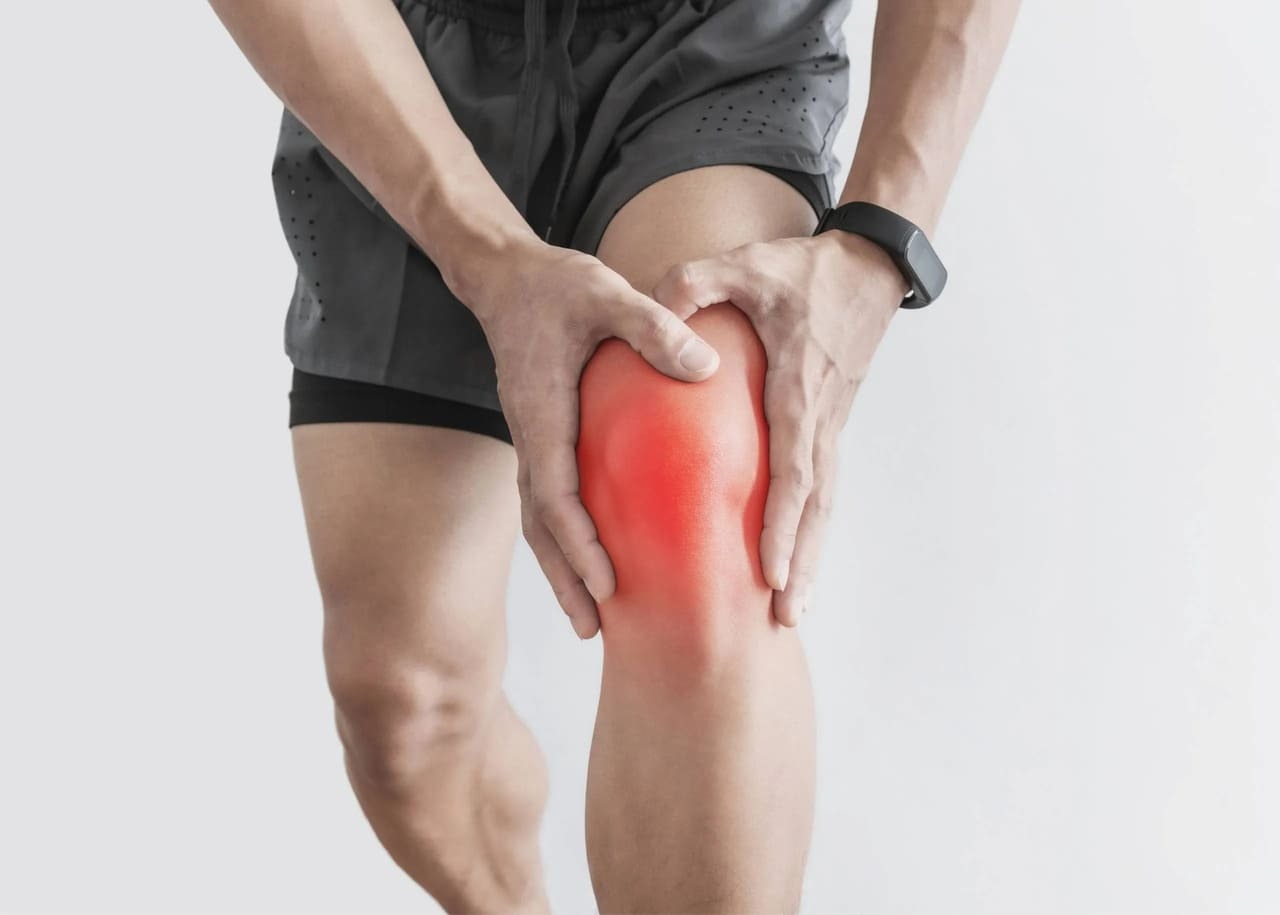
Systemic symptoms like fever, unexplained weight loss, or multiple joint involvement elevate knee pain severity. These signs suggest conditions affecting your entire body rather than isolated knee problems.
Monitor these concerning combinations:
Fever with knee pain: Temperature above 100.4°F indicates possible infection. Septic arthritis can destroy cartilage within days. Osteomyelitis affects the bone itself. Both conditions require intravenous antibiotics.
Multiple joint involvement: Pain affecting several joints simultaneously suggests systemic conditions. Rheumatoid arthritis, lupus, or gout may be responsible. These conditions need specialized treatment to prevent widespread joint damage.
Skin changes: Rashes, redness extending beyond the knee, or red streaks indicate spreading infection. Psoriatic arthritis causes distinct skin patches. Lyme disease produces characteristic bull’s-eye rashes.
Unexplained weight loss: Losing weight without trying, combined with knee pain, warrants investigation. Though rare, certain cancers can metastasize to bones. Chronic infections also cause weight loss.
Neurological symptoms: Numbness, tingling, or weakness below the knee suggests nerve involvement. Sciatica can cause referred knee pain. Peripheral neuropathy affects sensation and strength.
Who Has Higher Risk Factors Requiring Earlier Medical Evaluation?
People over 50, those with diabetes, previous knee injuries, or compromised immune systems should seek medical attention sooner for knee pain. Certain conditions and demographics face increased complications from knee problems.
Age-related considerations: Adults over 50 face higher risks of osteoarthritis, fractures from minor falls, and slower healing. Children’s growing bones require careful evaluation to prevent growth plate damage. Teenagers involved in sports need assessment for overuse injuries.
Medical history factors:
- Diabetes: Increases infection risk and slows healing. Neuropathy may mask pain severity
- Osteoporosis: Weakened bones fracture more easily from minor trauma
- Blood disorders: Clotting problems cause excessive joint bleeding
- Autoimmune conditions: Existing inflammation increases joint vulnerability
- Cancer history: Previous cancer raises concerns about metastasis
Lifestyle risk factors: Athletes face repetitive stress injuries. Obesity increases joint strain. Sedentary individuals may injure deconditioned muscles more easily. Smokers experience slower healing and higher infection rates.
Medication considerations: Blood thinners increase bleeding risks. Steroids suppress immune response and mask infections. Some antibiotics cause tendon weakness. Discuss all medications with healthcare providers.
Taking Action: Your Next Steps for Knee Pain Management
Recognizing when knee pain requires medical attention protects your long-term mobility and quality of life. Trust your instincts – if something feels seriously wrong, seek professional evaluation. Early intervention prevents minor problems from becoming permanent disabilities.
Remember the key warning signs: severe pain, inability to bear weight, visible deformity, signs of infection, and symptoms persisting beyond 72 hours. These red flags demand prompt medical assessment. Don’t gamble with your knee health by ignoring persistent or worsening symptoms.
Document your symptoms, including onset timing, triggering activities, and what provides relief. This information helps healthcare providers diagnose accurately. Bring lists of medications and previous knee problems to appointments.
Take action today: If you’re experiencing any warning signs discussed in this guide, contact your healthcare provider or visit an urgent care facility. Your knees carry you through life – give them the attention they deserve when they signal distress.
Read More Also: Understanding and Managing Shoulder Pain
Frequently Asked Questions About Knee Pain and Medical Care
Can I wait until morning if knee pain starts at night?
You can wait until morning for mild to moderate pain without red flag symptoms. However, seek immediate care for severe pain, obvious deformity, complete inability to move the knee, or signs of infection like fever and redness. Apply ice and elevate the leg overnight for minor discomfort.
Should I use urgent care or emergency room for knee injuries?
Use urgent care for moderate knee pain, minor swelling, and suspected sprains. Choose the emergency room for suspected fractures, dislocations, severe pain, or signs of infection. Urgent care handles non-life-threatening injuries more quickly and affordably than emergency departments.
Will doctors just tell me to rest and ice my knee?
Doctors provide comprehensive evaluation beyond basic first aid recommendations. They perform physical examinations, order imaging when necessary, prescribe appropriate medications, and refer to specialists. Early diagnosis prevents minor injuries from becoming chronic problems requiring surgery.
What happens during a medical evaluation for knee pain?
Medical evaluation includes history review, physical examination, and possibly imaging studies. Doctors assess range of motion, stability, and swelling. They may order X-rays, MRI, or blood tests. Based on findings, they develop treatment plans ranging from physical therapy to surgical consultation.
How much does emergency knee treatment typically cost?
Emergency room visits for knee pain range from $500 to $3,000 or more, depending on required tests and treatments. Urgent care typically costs $100-$300. Many facilities offer payment plans. Don’t delay necessary care due to cost concerns – permanent damage costs more than early treatment.
Can knee pain indicate problems elsewhere in my body?
Yes, knee pain sometimes signals hip problems, back issues, or systemic diseases. Hip arthritis often causes referred knee pain. Sciatica creates knee discomfort. Autoimmune conditions affect multiple joints. Comprehensive evaluation identifies the true source.
Should I stop exercising completely with knee pain?
Modified activity is usually better than complete rest for minor knee pain. Switch to low-impact exercises like swimming or cycling. Avoid activities causing pain. Complete rest is necessary for fractures or severe injuries. Consult healthcare providers for specific activity guidelines.